

Table of Contents
Introduction
Should I use EndBugFlow software for making music? If you are a Canadian musician, beginner producer, or home-recording enthusiast searching for this answer, the most important consideration is whether the software actually supports your creative workflow. A music-making application needs more than a technical name or an attractive website. It must provide appropriate tools for creating, recording, editing, arranging, and producing sound.
The name EndBugFlow appears across several online pages, but the available descriptions are inconsistent. Some pages associate it with debugging and software-development workflows, while other articles make unsupported or conflicting claims about audio-production capabilities. That makes it difficult to establish what the software genuinely is.
This guide examines the question carefully. It explains how to assess EndBugFlow, what a legitimate music-production program should offer, which warning signs to consider, and what Canadian users should look for before choosing a digital audio workstation (DAW). The goal is to help you make a practical decision without relying on unverified software claims.
What Is EndBugFlow Software?
The first challenge is identifying the actual software behind the EndBugFlow name. The website EndBugFlow’s public website presents itself as a technology and debugging-focused platform. Its content discusses software development, technical concepts, and workflow optimization rather than establishing a documented music-production application.
Other websites describe EndBugFlow in very different ways. One claims that it is a modular audio environment, while another presents it as a conventional digital audio workstation. These conflicting descriptions are not sufficient evidence that the software possesses the advertised capabilities.
Why the Software’s Identity Matters
A reliable music-production tool should have an identifiable developer, clear documentation, supported operating systems, and an explanation of its audio functionality. Without those details, it is difficult to determine whether EndBugFlow is a genuine production application, a technical platform with a similar name, or a subject of inaccurate online articles.
This distinction is especially relevant for beginners. Downloading unfamiliar software without verifying its source can waste time and may expose your computer or personal information to unnecessary risks.
Should I Use EndBugFlow Software for Making Music?
The safest answer is no—not as your primary music-production software until its audio capabilities and official product identity are independently verified.
The available evidence does not establish that EndBugFlow is a documented, dependable DAW for recording instruments, arranging songs, mixing tracks, or mastering finished music. Some online articles explicitly describe it as a debugging and development tool, while other pages make contradictory music-related claims.
TechUSTime+2
This does not prove that no software with a similar name could ever be used in an audio-related workflow. It means that a responsible buyer should not treat unverified claims as established product features.
For a musician in Canada, the practical decision is straightforward: choose a documented DAW with verified audio tools and a clear support path. If EndBugFlow later provides authoritative documentation demonstrating genuine music-production functionality, it can be evaluated against those same criteria.
Why Choosing the Right Music Software Matters
Music production combines creative decisions with technical processes. A producer may write melodies, program drum patterns, record vocals, edit performances, shape sounds, balance instruments, and export a finished track. The software needs to support those tasks without creating unnecessary obstacles.
A dedicated DAW provides a central environment for organizing these activities. It typically combines an audio engine, a timeline, recording functions, MIDI capabilities, editing tools, mixing controls, and export options. The exact feature set varies by application, but these functions form the foundation of most modern production workflows.
Using an unsuitable program can create several problems. You may be unable to record audio, lack a useful timeline for arranging songs, or discover that the application does not support the instruments and effects you need. Even if a tool is useful for another purpose, that does not make it an effective replacement for a DAW.
For someone learning music production, the best software is usually the one that makes the next creative step clear. A complicated or poorly documented application can distract from learning rhythm, harmony, arrangement, recording, and mixing.
What Features Should Music-Making Software Have?
A useful way to evaluate EndBugFlow is to compare its documented capabilities with the functions expected from a music-production application. The following table describes the requirements of a typical DAW; it does not claim that EndBugFlow provides them.
| Music-production feature | Why it matters |
|---|
| Audio recording | Captures vocals, guitars, microphones, and other external sound sources. |
| Multitrack arrangement | Organizes separate instruments and recordings into a complete song. |
| MIDI sequencing | Allows users to program notes, control virtual instruments, and edit performances. |
| Audio editing | Supports cutting, trimming, moving, and refining recorded material. |
| Mixing controls | Provides volume, panning, equalization, compression, and effects workflows. |
| Software instruments | Enables creation of sounds using virtual synthesizers, samplers, and other instruments. |
| Audio export | Produces a finished audio file for listening, sharing, or further mastering. |
| Documentation and support | Helps users install, learn, troubleshoot, and maintain the software. |
Audio Recording
Recording is essential when a producer wants to capture vocals, acoustic instruments, or live performances. A suitable application should support audio input through compatible hardware or a computer’s built-in microphone.
The recording process also requires monitoring, track management, and a way to review the captured performance. These are not optional details for anyone planning to produce songs with real instruments or vocals.
MIDI and Virtual Instruments
MIDI allows producers to work with musical notes and instrument controls. Instead of recording an acoustic piano, for example, a user can program notes and play them through a virtual piano instrument.
MIDI sequencing is useful for electronic music, hip-hop, pop, film scoring, and many other genres. A producer can change the notes, timing, velocity, and instrument sound without necessarily recording the performance again.
Arrangement and Editing
A song needs structure. Producers often arrange sections such as introductions, verses, choruses, bridges, and outros along a timeline. Audio editing tools help them refine recordings, remove unwanted sections, adjust timing, and organize takes.
A program that lacks a practical arrangement environment may be unsuitable for completing a conventional song, even if it can perform some form of sound processing.
Mixing and Export
Mixing involves balancing the elements of a track so they work together. Producers adjust levels, stereo placement, equalization, dynamics, and effects to shape the final sound.
Exporting is equally important. After production, users need a reliable way to create an audio file in an appropriate format. A music application should make this process understandable and repeatable.
EndBugFlow Audio Editing Features: What Is Actually Confirmed?
The phrase “EndBugFlow audio editing features” may appear in search queries, but the existence of a keyword does not establish that a product offers audio editing.
The available public material does not provide dependable, authoritative documentation confirming EndBugFlow’s audio recording engine, waveform editor, MIDI sequencer, mixing console, plugin support, or export formats. Some third-party pages make detailed claims about these features, but they conflict with other descriptions of EndBugFlow as a development-oriented tool.
TechUSTime+2
A responsible review should therefore avoid presenting any of those disputed capabilities as fact. Until an official manual, demonstrable product interface, or credible independent test confirms them, the appropriate conclusion is that EndBugFlow’s music-production functionality remains unverified.
What About EndBugFlow Beat-Making Software?
Beat-making usually involves drum sequencing, rhythmic programming, samples, virtual instruments, and arrangement. A beat-making tool should let users create patterns, edit timing, and build a musical structure.
There is no reliable evidence in the available sources establishing that EndBugFlow offers a documented beat-making workflow. Consequently, it should not be recommended as a beat-production application based solely on online descriptions.
What About EndBugFlow Music Mixing Features?
A mixing workflow generally requires control over individual tracks, levels, panning, equalization, dynamics processing, effects, and routing. These tools help producers create a balanced and coherent final mix.
The sources reviewed do not establish that EndBugFlow provides a verified mixing environment. Claims about its audio functionality should be treated as unconfirmed unless supported by trustworthy technical documentation.
EndBugFlow for Beginners: Is It a Good Starting Point?
Beginners should be particularly careful when selecting music-making software. The first application they learn often shapes their understanding of recording, arrangement, sound design, and mixing.
A good beginner-friendly DAW usually offers a manageable interface, understandable tutorials, dependable audio playback, and enough features to complete simple projects. It does not need to contain every advanced function, but it should provide a clear path from an initial idea to a finished track.
EndBugFlow’s suitability for beginners cannot be established confidently because its documented music-production features, learning resources, and support arrangements remain unclear. A beginner should not have to guess whether a program can record a microphone or export a song.
What Canadian Beginners Should Consider
Canadian users can evaluate music software using the same practical criteria as producers elsewhere, while also considering their own budget and equipment. A student working on a laptop may need lightweight software, whereas a home studio with an audio interface may require more advanced recording and mixing support.
The important question is not whether a program sounds innovative. It is whether the application reliably supports the type of music you want to make.
EndBugFlow Software Pros and Cons
Because EndBugFlow’s music-production identity is not independently established, a conventional feature-based pros-and-cons review would risk inventing information. A more responsible assessment focuses on what can be concluded from the available evidence.
| Consideration | Assessment |
|---|
| Verified music-production identity | Not established by reliable documentation reviewed here. |
| Audio recording capability | Unconfirmed. |
| MIDI sequencing | Unconfirmed. |
| Mixing and mastering workflow | Unconfirmed. |
| Beginner suitability | Cannot be reliably assessed. |
| Product documentation | Public descriptions are inconsistent. |
| Main concern | Users may confuse online claims with verified product functionality. |
The primary disadvantage is uncertainty. A musician cannot make a sound purchasing decision without knowing what the software actually does, how it is supported, and whether it meets the requirements of their workflow.
The potential advantage is that investigating unfamiliar tools can help users understand which features matter in music production. However, that benefit comes from the evaluation process itself, not from any confirmed EndBugFlow music functionality.
EndBugFlow vs Other Music Software
A comparison with established DAWs is useful because it clarifies what a documented music-production application should offer. It is not a claim that EndBugFlow has been tested against these products.
Established DAW Categories
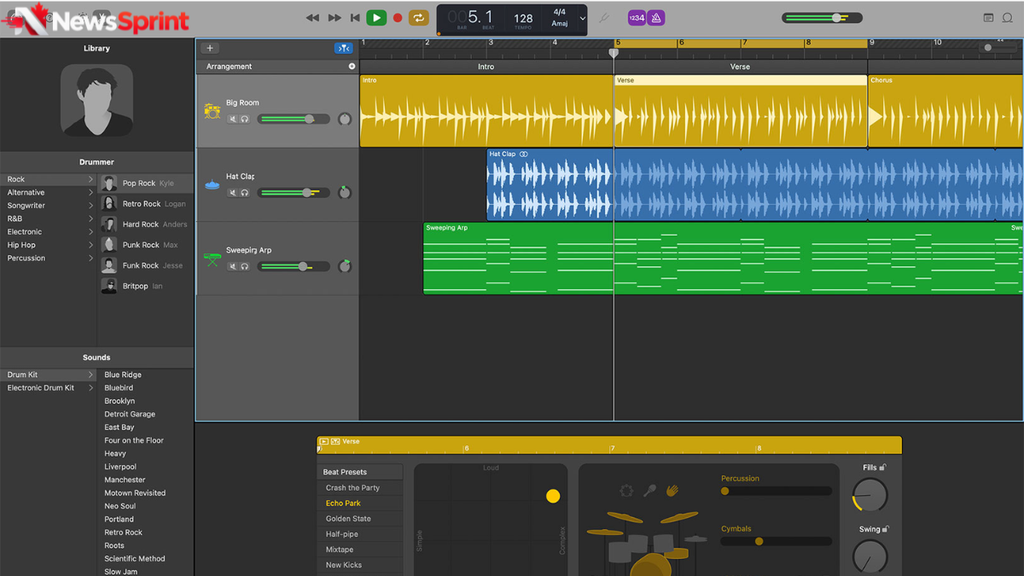
Different music programs suit different workflows. Some focus on electronic composition and live performance, some emphasize traditional recording, and others provide accessible tools for beginners.
|
Software
|
General production focus
|
| — | — |
|
GarageBand
|
Accessible music creation and recording on supported Apple devices.
|
|
REAPER
|
Flexible recording, editing, mixing, and production workflows.
|
|
Ableton Live
|
Music production, electronic composition, and performance-oriented workflows.
|
|
FL Studio
|
Beat making, pattern-based composition, and full music production.
|
|
Logic Pro
|
Comprehensive music production on supported Apple platforms.
|
|
Pro Tools
|
Professional recording, editing, mixing, and audio-production workflows.
|
These established products have recognizable product identities and documented music-production purposes. EndBugFlow should be evaluated against comparable evidence before anyone assumes that it belongs in the same category.
How to Choose the Best Software for Making Music in Canada
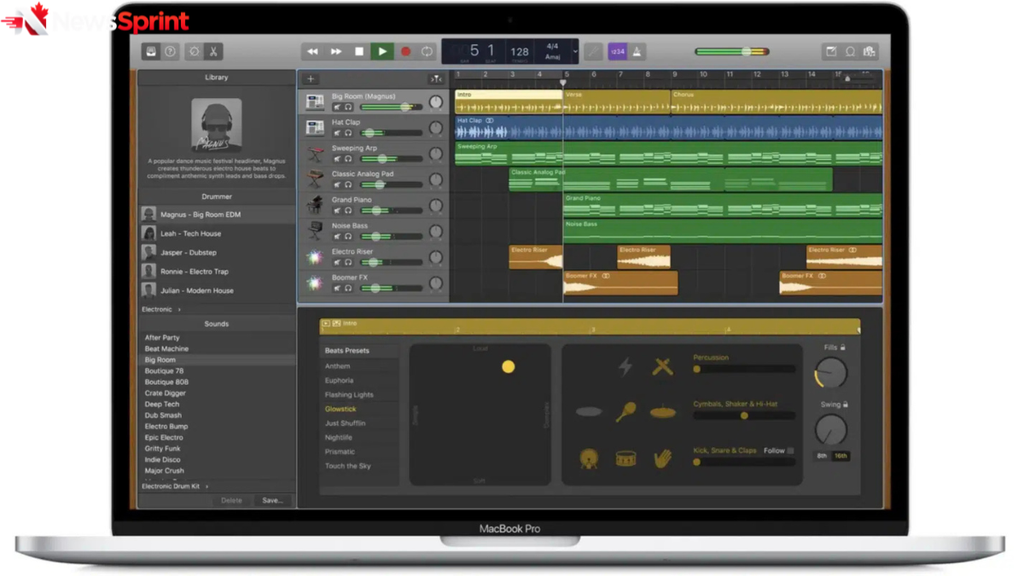
The best music-making software depends on your goals, computer, experience, and budget. A person who wants to make beats may prioritize a strong drum and MIDI workflow. Someone recording a singer-songwriter project may care more about audio inputs, editing, and mixing.
If You Want to Make Beats
Look for a DAW with a piano roll, drum sequencing, sample management, and virtual instruments. These features support rhythmic composition and make it easier to build a beat from a simple pattern into a complete arrangement.
FL Studio is one established option to investigate for this workflow. Its suitability for you still depends on your preferred interface, operating system, and budget.
If You Want to Record Vocals or Instruments
Prioritize audio recording, track management, monitoring, editing, and mixing. You should also check whether the software supports your audio interface and operating system.
REAPER and Pro Tools are examples of established applications to compare for recording-oriented work. Review their official specifications and licensing details before purchasing.
If You Want Electronic Music or Live Performance
Consider the importance of MIDI, virtual instruments, sound design, arrangement, and performance features. Ableton Live is an established option associated with electronic music production and live performance workflows.
A suitable choice should let you develop ideas quickly without forcing you to work around missing tools.
If You Use Apple Devices
GarageBand offers an accessible entry point for music creation on supported Apple devices. Logic Pro provides a broader production environment for users who need more extensive capabilities.
Check current device compatibility and licensing information through Apple’s official product pages before making a decision.
My Opinion on Should I Use EndBugFlow Software for Making Music
My editorial view is that EndBugFlow should not be your first choice for making music while its actual product identity and audio capabilities remain unclear.
That conclusion is not based on a fabricated personal test or a claim that I have used the software. It follows from the lack of reliable, consistent evidence establishing EndBugFlow as a music-production application. A musician needs dependable tools, and uncertainty about basic functionality is a meaningful reason to pause before downloading or paying for software.
If your goal is to make songs, learn production, record vocals, or create beats, choose an established DAW with documented features and accessible learning resources. You can always explore experimental software later, but your main creative workflow should not depend on unsupported claims.
The strongest approach is to verify the official developer, inspect the product documentation, and test the software only through a trustworthy distribution channel. That process protects your time and helps you choose tools that support your actual musical goals.
Frequently Asked Questions About Should I Use EndBugFlow Software for Making Music
1. Should I use EndBugFlow software for making music?
Not as your primary music-production application at this stage. Its music-making capabilities have not been reliably verified, so an established DAW is a more dependable choice for recording, arranging, and mixing.
2. Is EndBugFlow good for making music for beginners?
There is insufficient reliable information to establish whether EndBugFlow is suitable for beginners. New producers should choose software with documented features, tutorials, and a clear support system.
3. Does EndBugFlow have audio recording and mixing features?
The available sources do not reliably confirm its audio recording or mixing capabilities. Do not assume that claims about these features are accurate without authoritative documentation.
4. What are the best alternatives to EndBugFlow for music production?
GarageBand, REAPER, Ableton Live, FL Studio, Logic Pro, and Pro Tools are established music-production applications worth comparing. The best option depends on your device, experience, musical goals, and budget.
5. How can I check whether EndBugFlow is safe and suitable for music?
Look for a verifiable official developer, authentic documentation, supported operating systems, clear licensing information, and trustworthy independent reviews. Avoid installing unfamiliar software from unverified download links.
Conclusion
Should I use EndBugFlow software for making music? The most responsible answer is to avoid relying on it as your main music-production tool until its identity and audio capabilities are confirmed through reliable evidence.
Music production requires dependable recording, arrangement, editing, mixing, and export tools. Established DAWs provide a clearer foundation for Canadian musicians and beginners who want to develop their skills. EndBugFlow’s conflicting online descriptions make it difficult to recommend for that purpose.
Choose software based on verified functionality rather than search-engine claims. A well-documented DAW can help you spend more time creating music and less time trying to determine whether your software can do the job and more.
