

Table of Contents
Introduction
Interior design is about more than selecting attractive furniture or following the latest decorating trend. It is the process of shaping a space so that its appearance, comfort, functionality, and atmosphere work together. For Canadian homeowners, renters, and design enthusiasts, the right approach can make a small apartment feel more spacious, a family living room more practical, or a dated kitchen more welcoming.
The search term interior design designmode24 connects with a growing interest in accessible home styling ideas, room makeovers, and practical design guidance. Available DesignMode24-related websites describe themes such as modern interiors, home decoration, room planning, storage solutions, and renovation inspiration. However, the exact identity and scope of the platform are not consistently established across the websites using the name.
This guide explains the design principles that make an interior attractive and useful, explores popular styles, and provides practical ideas for Canadian homes. It also discusses lighting, colour, furniture, room layouts, budgeting, and common mistakes. The aim is to help readers make informed design decisions rather than simply copy a photograph.
What Does Interior Design DesignMode24 Mean?
The phrase “interior design designmode24” can be understood in two related ways. It may refer to a particular DesignMode24 interior design website or content brand, or it may be used by readers searching for home design inspiration associated with that name.
A website using the DesignMode24 name describes its focus as interior design and home improvement guidance, including room styling, furniture arrangements, colour ideas, and practical home upgrades. Another similarly named website presents itself as a design and home decor resource. Because several domains use related branding, readers should verify the exact website before treating its content as belonging to one confirmed organization.
For practical purposes, the most useful interpretation is design guidance that combines visual appeal with everyday living. A beautiful room that lacks storage, has uncomfortable furniture, or creates difficult movement is not a successful design simply because it looks impressive in a photograph.
The Difference Between Interior Design and Decoration
Interior design considers the way a space is planned, organized, and experienced. It may involve room dimensions, circulation, lighting, built-in elements, materials, furniture, and the intended use of the room. Decoration usually focuses more on surface-level appearance, such as textiles, accessories, artwork, and colour accents.
The two disciplines overlap. A decorating project can improve the atmosphere of a room without changing its structure, while a more extensive interior design project may involve renovations, electrical planning, or changes to the layout. The appropriate approach depends on the property, the budget, and the goals of the homeowner.
Why Interior Design Matters in Canadian Homes
Canadian homes vary considerably in size, age, construction, climate, and architectural character. A downtown condominium may require careful space management, while a suburban house may offer more room but still struggle with storage, lighting, or an outdated floor plan.
Interior design helps connect the available space with the way people actually use it. A family that cooks frequently needs a practical kitchen layout. Someone working remotely may need a comfortable workspace. A household with children or pets may prioritize durable surfaces and furniture that withstands everyday activity.
Function Comes Before Decoration
The first question should be what the room needs to accomplish. A living room may serve as a place for conversation, television, reading, and entertaining. A bedroom should support rest and provide enough storage for clothing and personal belongings.
Once these needs are clear, furniture size, lighting, colour, and accessories become easier to choose. This approach also reduces unnecessary purchases because every major item has a purpose.
Comfort and Seasonal Living
Canadian homes often need to accommodate changing seasonal conditions, from cold winters to warm summers. Window coverings, entryway storage, durable flooring, and comfortable textiles can support everyday living across the year.
Design choices should also respect the existing building. Older homes may have distinctive trim, narrow hallways, or original architectural details worth preserving. A thoughtful renovation can improve usability without removing every feature that gives the property its character.
Core Principles of Modern Interior Design
Modern interior design is not limited to one colour palette or furniture style. It generally emphasizes clarity, practical layouts, balanced materials, and a deliberate relationship between the elements in a room.
The following principles provide a reliable starting point for homeowners exploring interior design inspiration.
Space Planning
Space planning determines where furniture, storage, pathways, and functional zones should go. It is one of the most important steps because even expensive furniture cannot compensate for a poor layout.
Measure the room before purchasing large items. Consider the position of doors, windows, radiators, electrical outlets, and heating or cooling equipment. Leave enough room for people to move comfortably, and avoid placing furniture where it blocks essential access.
A well-planned room usually feels easier to use because the arrangement supports natural movement. The goal is not to fill every available area. Empty space can help a room feel calmer and prevent visual overcrowding.
Balance and Proportion
Balance describes how visual weight is distributed throughout a room. A large sofa on one side and several small accessories on the other may create an uneven appearance. Proportion concerns the relationship between the size of furniture, architectural features, and the overall room.
For example, a very small coffee table may look disconnected from a large sectional sofa. Similarly, an oversized pendant light may dominate a compact dining area. Choosing pieces that relate to the room’s scale creates a more cohesive result.
Colour and Contrast
Colour influences the perceived atmosphere of a room. Soft neutrals can create a calm foundation, while deeper shades may add richness and visual definition. Contrast helps important features stand out, whether through dark furniture against a light wall or warm wood beside a cooler surface.
A useful design approach is to establish a base palette, introduce one or two supporting colours, and then add accents through textiles or artwork. This creates consistency without making every item identical.
Lighting
Lighting affects both function and mood. Natural light can make a room feel open during the day, while artificial lighting supports activities after sunset.
A layered lighting plan may combine general illumination, task lighting, and accent lighting. In a kitchen, work surfaces need useful task lighting. In a living room, a mixture of ceiling fixtures, floor lamps, and table lamps can create a more adaptable environment.
The colour temperature and placement of light sources also influence how paint, wood, fabric, and other materials appear. Testing lighting in the actual room is more reliable than judging a finish under showroom lighting.
Texture and Materials
Texture gives a room visual and tactile interest. Wood, stone, glass, metal, wool, cotton, and other materials can create contrast when used thoughtfully.
A room with only smooth, reflective surfaces may feel cold or visually flat. Introducing softer textiles, natural finishes, or textured accessories can make it more inviting. However, materials should also suit the room’s maintenance needs and expected use.
Popular Interior Design Styles for Homeowners
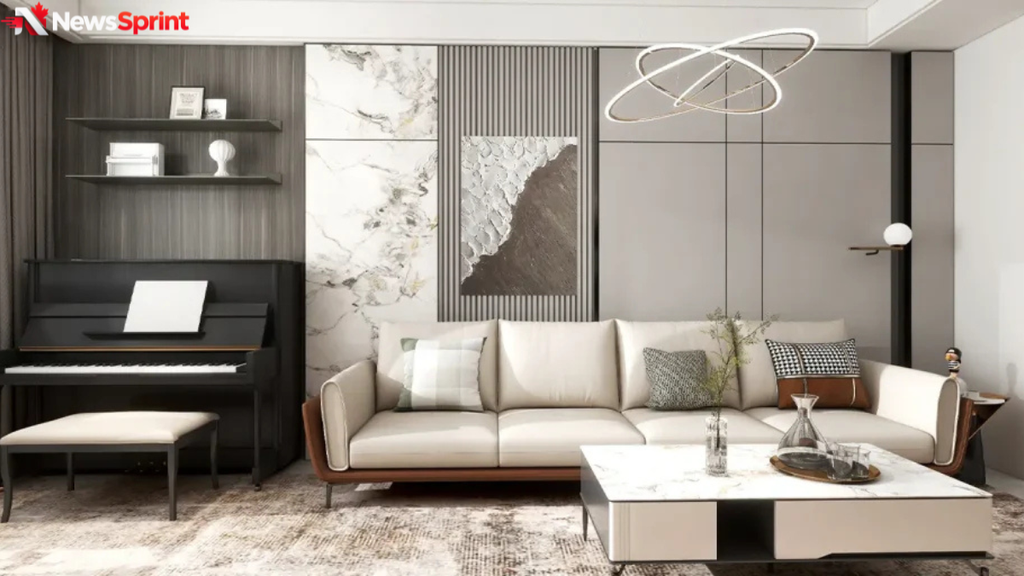
Choosing a style helps create a consistent visual direction. It does not mean every item must match a catalogue. Many successful interiors combine elements from different traditions while maintaining a clear overall character.
Modern minimalist interior design
Minimalism emphasizes simplicity, functional furniture, uncluttered surfaces, and a restrained palette. It can work particularly well in smaller homes where visual organization matters.
Contemporary home interiors
Contemporary design often combines clean forms with comfortable furnishings, natural materials, and current preferences. It can evolve over time rather than depend on one historical style.
Scandinavian-inspired design
Light wood, simple shapes, practical storage, and comfortable textiles are common features. The style can suit homes that benefit from a bright and uncluttered atmosphere.
Luxury home interior design
Luxury styling focuses on visual refinement, carefully selected materials, detailed finishes, and a sense of proportion. Expensive items are not essential; quality and coordination matter more than simply adding decoration.
The best style is the one that suits the architecture, lifestyle, and budget of the household. A homeowner does not need to follow every modern interior design trend to create a polished space.
Room-by-Room Interior Design Ideas
Different rooms require different design decisions. A living room prioritizes seating and social interaction, while a kitchen must support movement, preparation, and storage. The most effective design ideas respond to these differences rather than applying the same formula everywhere.
Living Room Design Ideas
The living room often becomes the central gathering space in a home. Its design should support conversation, relaxation, and the activities that matter most to the household.
Start by identifying a focal point, such as a fireplace, a large window, an artwork collection, or a media unit. Arrange seating around that feature while maintaining comfortable pathways. A rug can help define the seating area and visually connect the furniture.
For Canadian homes, living room design may also benefit from practical entryway connections, flexible storage, and durable upholstery. If the room receives limited daylight, use a thoughtful combination of light colours, mirrors, and layered lighting rather than relying on a single bright ceiling fixture.
Bedroom Interior Design
A bedroom should feel restful, organized, and personal. The bed generally acts as the main visual anchor, while bedside tables, wardrobes, lighting, and textiles support its function.
A calm palette can help establish a relaxing atmosphere, but colour is only one part of the experience. Noise, clutter, mattress comfort, window coverings, and lighting all influence how the room feels.
Choose storage according to the household’s needs. Built-in wardrobes may provide a clean appearance, while freestanding furniture offers more flexibility for renters. Under-bed storage can also be useful in smaller bedrooms when it remains easy to access.
Kitchen Interior Design Ideas
A successful kitchen balances preparation space, storage, movement, and visual style. Cabinet colour and countertop finishes matter, but the arrangement of work areas is equally important.
Before choosing finishes, consider how frequently the kitchen is used and where cooking, cleaning, food storage, and appliances will be positioned. Keep frequently used items accessible, and avoid creating unnecessary obstacles between the main work areas.
Lighting deserves particular attention. General illumination supports the whole room, while task lighting helps reduce shadows on counters and work surfaces. Decorative fixtures can add personality, but they should not compromise practical visibility.
Bathroom Design
Bathrooms require materials and fixtures that suit moisture, cleaning, and everyday wear. A design that looks attractive but is difficult to maintain may become frustrating over time.
Storage should be planned early. Vanity drawers, mirrored cabinets, shelving, and recessed niches can help keep frequently used items organized. The selection of tiles, grout, hardware, and lighting should support both appearance and practical maintenance.
Renovation work involving plumbing, electrical systems, or waterproofing may require qualified professionals and compliance with applicable local requirements. Homeowners should verify relevant rules before starting major work.
Home Office Design
A home office should support concentration without feeling disconnected from the rest of the home. The desk needs adequate working space, and the chair should provide suitable comfort and support.
Natural light can improve the atmosphere, but screen placement should also be considered to reduce distracting glare. Cable management, storage, and background appearance may matter for people who regularly attend video meetings.
A dedicated room is not always necessary. A well-planned corner, foldaway desk, or multipurpose area can provide a useful workspace when space is limited.
Small Space Interior Design for Canadian Homes
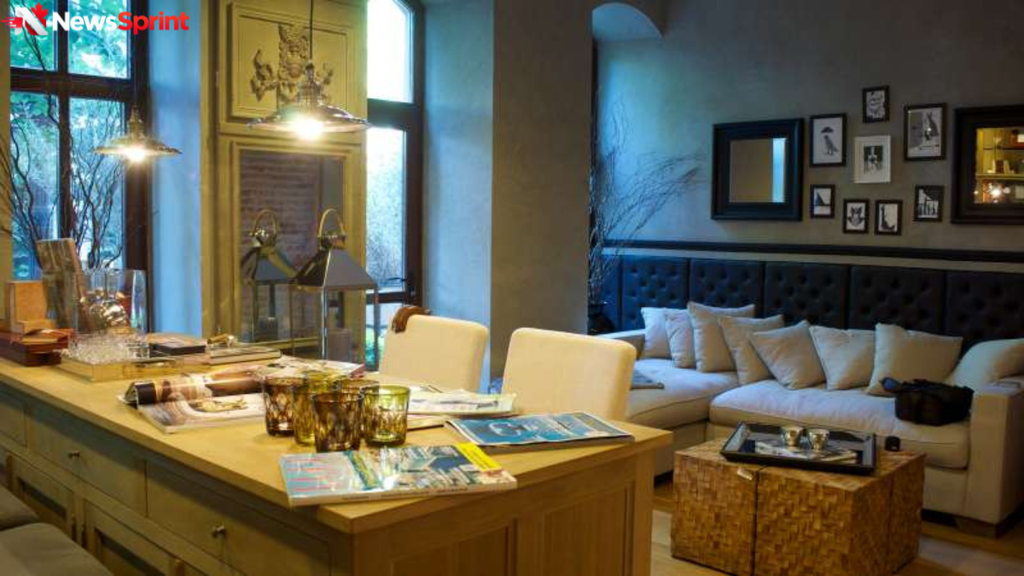
Small space interior design focuses on using limited floor area efficiently while maintaining comfort and visual balance. The objective is not to make a compact room look artificially large. It is to make the available space work better.
Furniture with more than one purpose can be useful. A storage ottoman may provide seating and concealed storage. A foldaway desk can support occasional work without permanently occupying valuable floor area. Wall-mounted shelves can use vertical space while leaving more floor area open.
Choose Furniture According to the Room
Large furniture can overwhelm a small room, but choosing pieces that are too small may also create an uncomfortable arrangement. Measure the available area and consider how the furniture will be delivered through doors, staircases, and hallways.
Visual openness can improve when furniture has exposed legs, lighter forms, or a consistent colour relationship with the walls. These are design options rather than strict rules, and the best choice depends on the room’s architecture.
Use Storage Intentionally
Storage should be placed where it is convenient to use. Everyday items need accessible locations, while seasonal belongings can occupy less convenient areas.
In Canadian homes, entryway organization can be especially valuable. Coats, boots, bags, and outdoor equipment can quickly create clutter near the entrance. A combination of hooks, closed cabinets, seating, and durable flooring can improve both organization and appearance.
Interior Design Trends and Timeless Choices
Modern interior design trends can provide inspiration, but they should not determine every decision. Trends change, while furniture, flooring, cabinetry, and other major investments may remain in a home for many years.
A balanced approach uses lasting elements as the foundation and introduces current ideas through easier-to-change details. Paint, cushions, artwork, rugs, and decorative accessories can refresh a room without requiring a complete renovation.
| Design decision | More lasting approach | Easier way to follow trends |
| Main furniture | Choose comfortable pieces with suitable proportions | Update cushions or throws |
| Wall colours | Select a palette that suits the room’s light | Repaint an accent wall |
| Flooring | Prioritize durability and maintenance | Use a removable rug |
| Kitchen finishes | Consider long-term use and compatibility | Add decorative hardware or accessories |
| Lighting | Plan useful illumination first | Add a decorative lamp or replace shades |
| Artwork | Choose pieces with personal meaning | Rotate prints or seasonal displays |
The distinction between timeless and trendy is not absolute. A current design can become a lasting personal preference, and a traditional feature can feel fresh when used in a new context.
How to Plan a DesignMode24-Inspired Home Project
A home makeover becomes easier when the planning process is clear. Whether the project involves one room or an entire property, decisions should follow a logical order.
Define the Goal
Decide what needs improvement before choosing products. A room may need better storage, more comfortable seating, improved lighting, or a completely different layout. A clear goal helps prevent spending money on changes that do not solve the original problem.
Measure and Assess the Space
Record the room dimensions, ceiling height, doors, windows, and fixed features. Take photographs from different corners to understand the space before making decisions.
Check the condition of the walls, flooring, electrical outlets, and existing furniture. If a renovation may affect structural or building systems, seek appropriate professional advice.
Create a Budget
A useful budget separates essential work from optional upgrades. It should account for materials, furniture, labour, delivery, disposal, and potential unexpected costs.
Avoid committing to expensive finishes before confirming the overall project scope. A beautiful countertop cannot compensate for a layout that does not work, and decorative accessories should not consume funds needed for essential repairs.
Develop a Mood and Material Direction
A mood board can combine paint samples, fabric textures, flooring references, furniture shapes, and lighting ideas. Physical samples are valuable because colours and finishes can look different depending on daylight, artificial lighting, and surrounding materials.
Keep the selection focused. Too many competing finishes can make a room feel disconnected. A consistent material and colour relationship usually creates a more coherent result.
Implement in Stages
Start with the decisions that affect the whole room, such as layout, major furniture, flooring, and lighting. Add decorative details afterward.
This sequence reduces rework. It is easier to select artwork after furniture placement is complete than to design the entire room around an accessory that may not suit the final arrangement.
Budget-Friendly Interior Design Ideas
A stylish home does not require every item to be new or expensive. Budget-friendly interior design is often about improving the most visible or useful elements first.
Rearranging furniture can change the way a room functions without any purchase. Replacing outdated lampshades, updating cabinet hardware, repainting a tired wall, or adding a well-chosen rug may produce a noticeable difference at a lower cost than a complete renovation.
Prioritize High-Impact Improvements
The best starting point depends on the room. In a living room, furniture arrangement and lighting may matter more than decorative objects. In a bedroom, bedding, storage, and window coverings can have a stronger effect on comfort. In a kitchen, organization and work-surface lighting may provide more practical value than purely cosmetic changes.
A useful budget separates improvements into three categories: essential repairs, functional upgrades, and decorative enhancements. This helps homeowners make progress without confusing appearance with necessity.
Reuse and Refresh Existing Items
Existing furniture can sometimes be adapted to a new design direction. A solid wooden table may need refinishing rather than replacement. A suitable sofa may look different with new cushions, a different rug, or a revised room layout.
Reuse should still consider safety, condition, and durability. Items that are damaged, unstable, or unsuitable for their intended use should not be kept merely to save money & interior design designmode24.
Compare the Full Cost
The purchase price is not always the total cost of a project. Delivery, installation, tools, labour, disposal, and maintenance may also affect the budget.
For major renovations, obtain detailed estimates and clarify what each quote includes. Canadian homeowners should also account for local labour conditions and any applicable permit or inspection requirements before beginning regulated work & interior design designmode24.
Sustainable and Practical Home Design
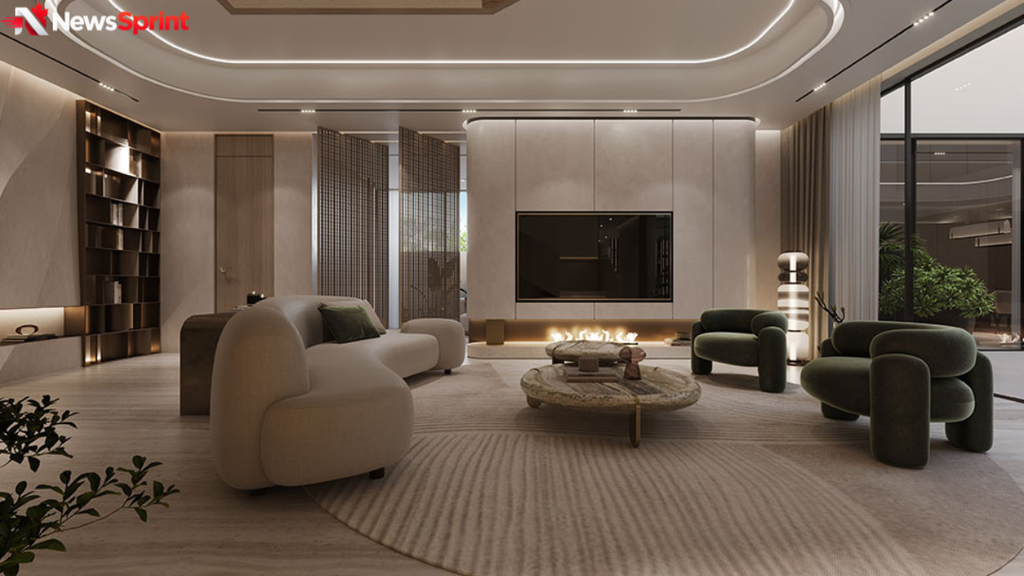
Sustainable interior design considers the environmental impact, durability, maintenance, and useful lifespan of design choices. It does not require every material to be natural or every product to carry an environmental label.
Durable furniture that remains useful for many years can reduce the need for frequent replacement. Repairing suitable items, buying thoughtfully, and avoiding unnecessary purchases can also support a more responsible approach & interior design designmode24.
Materials and Durability
Choose materials according to the demands of the room. A busy hallway may need flooring that tolerates frequent traffic and wet footwear. A family dining area may benefit from surfaces that are easy to clean. A bedroom can prioritize softness and comfort.
Ask about maintenance requirements before purchasing. A finish that needs specialized care may be unsuitable for a household seeking simple upkeep & interior design designmode24.
Energy-Conscious Design
Lighting choices can influence energy use, and daylight planning can improve the daytime experience of a room. Window coverings may also support comfort by controlling glare and privacy.
For larger upgrades involving insulation, windows, heating, or ventilation, consult qualified professionals and verify current Canadian requirements or available programs. Energy performance depends on the building, climate, equipment, and installation quality, so broad claims about savings should not be assumed without project-specific evidence & interior design designmode24.
Common Interior Design Mistakes to Avoid
Many design problems occur because decisions are made individually instead of as part of a complete room plan.
Buying Furniture Before Measuring
A sofa or cabinet may look perfect online but fail to fit through the entrance or leave enough space for movement. Measurements should include the delivery route, not just the room itself.
Using Too Many Unrelated Styles
Mixing styles can create personality, but random combinations may make a room feel unsettled. Select a primary direction and introduce contrasting elements deliberately.
Ignoring Lighting
A room may appear attractive during the day but feel uncomfortable at night if it relies on one harsh overhead fixture. Plan lighting for the activities that take place after dark.
Prioritizing Appearance Over Maintenance
Highly delicate finishes, difficult-to-clean textiles, or unsuitable flooring can create unnecessary work. Choose materials that match the household’s lifestyle.
Following Trends Without Considering Longevity
A design trend may look appealing in photographs but fail to suit the architecture or personal preferences of the homeowner. Use trends as inspiration, not as a substitute for planning & interior design designmode24.
When to Hire an Interior Designer or Contractor
Some projects are suitable for DIY work, while others require specialized knowledge. The decision depends on complexity, risk, budget, and the homeowner’s skills.
Painting, basic styling, furniture rearrangement, and certain decorative upgrades may be manageable for many people. Projects involving structural changes, significant electrical work, plumbing, gas systems, or complex installations require appropriate qualified professionals.
An interior designer can help with space planning, material coordination, furniture selection, and the overall visual direction. A contractor manages construction-related work within the agreed project scope. These roles may overlap, but they are not interchangeable.
For Canadian homeowners, verify relevant qualifications, insurance, references, written contracts, and local requirements before hiring someone for substantial work. The appropriate professional depends on the type of project and the jurisdiction & interior design designmode24.
My Opinion on Interior Design DesignMode24
My view is that the most useful interpretation of interior design designmode24 is a practical design approach that places comfort and functionality alongside visual appeal. The available DesignMode24-related material emphasizes home styling, room design, improvement ideas, and accessible guidance, although the exact relationship between the similarly named websites remains unclear.
For Canadian readers, the strongest design strategy is to begin with the home they actually have. A compact condominium, a heritage property, and a modern suburban house each present different opportunities. Copying a photograph without considering room dimensions, natural light, storage, and daily routines can produce disappointing results.
The most valuable design decisions are often the least dramatic: selecting furniture that fits, improving lighting, organizing storage, and choosing durable materials. Trends can add freshness, but thoughtful planning is what makes a home comfortable over time & interior design designmode24.
Frequently Asked Questions About Interior Design DesignMode24
What is interior design designmode24?
Interior design designmode24 is a search phrase associated with DesignMode24-related interior design and home improvement content. It can be approached as a resource for exploring decorating inspiration, room layouts, furniture, and practical home design ideas. The exact identity of the intended website should be confirmed before relying on specific organizational claims.
Is DesignMode24 useful for modern interior design inspiration?
DesignMode24-related websites present modern home styling, room inspiration, and practical improvement themes. Readers can use these topics to explore ideas, but should assess the quality and applicability of individual recommendations before making major renovation or purchasing decisions.
How can I apply interior design ideas in a small Canadian home?
Begin by measuring the space, defining the room’s purpose, and selecting furniture that supports movement. Multifunctional storage, appropriate lighting, and a restrained colour palette can help a compact home feel organized and comfortable.
What is the difference between interior design and home decoration?
Interior design considers the planning and functionality of a space, including layout, materials, lighting, and sometimes renovation work. Home decoration focuses more on visual elements such as furniture styling, accessories, textiles, and colour.
Do I need a professional interior designer for a home makeover?
Not necessarily. Simple decorating and furniture rearrangement may be manageable independently. A professional can be valuable for complex layouts, major renovations, material coordination, or projects involving technical building work. The decision depends on the scope and difficulty of the project & interior design designmode24.
Conclusion
Interior design designmode24 can be explored as a topic connecting modern interiors, home decor, and practical improvement ideas. Its most useful lesson is that a successful home should look appealing while supporting the people who live in it.
For Canadian homeowners, good design begins with understanding the property, the climate, the available space, and everyday needs. From living room layouts and bedroom comfort to kitchen organization and budget-conscious upgrades, each decision should contribute to a more functional and welcoming home.
Start with one room, establish a realistic plan, and prioritize improvements that provide lasting value. A thoughtful design does not need to be extravagant. It needs to work and more & interior design designmode24.
